Five anchors for every selection case
We use the same five anchors we use for predictions: role, recent usage, opposition, venue and availability. The order is what makes a selection defensible.
Role
Where does the player sit in the side, what are they asked to do, and how often is that role stable across fixtures?
Recent usage
How many minutes in the last three fixtures? Is the role expanding or shrinking? Is the rotation risk rising?
Opposition
The match-up cards. Defenders force turnovers high up the pitch, batters exploit pace-on-pace, spinners target left-handers. The opponent changes the value.
Venue
Pitch type, boundary length, conditions. A venue can flip a player’s expected output by 30% in T20 cricket.
Availability
Late team news, workload management, the risk of a rest. We update the call when the variables change.

Three selection calls worth your time
Anchor role over flash role tonight
If the wicket holds, the player who bats through the innings typically out-points the boundary-hunter. Read the case and the counter-case before you swap.
Read the briefWatch the press trigger, not just the clean-sheet count
Defenders who force turnovers high up the pitch collect bonus points through defensive actions. We map the fixtures where the trigger is most likely.
Read the noteDifferential picks only work if the role is locked
A differential is a punt on rotation, not on form. We list the players whose role is most secure tonight despite a low ownership share.
Read the listThree things we won’t publish on this desk
No paid subscription
The selection desk is free to read. No premium tier, no paid tipster channel, no paywall on the captain pick.
No bookmaker affiliate links
We do not link to fantasy operators in a way that earns commission. The desk is the product, not the affiliate.
No guaranteed-outcome language
Selection cases are cases. We name the supporting evidence and the counter-case. Readers form the view.
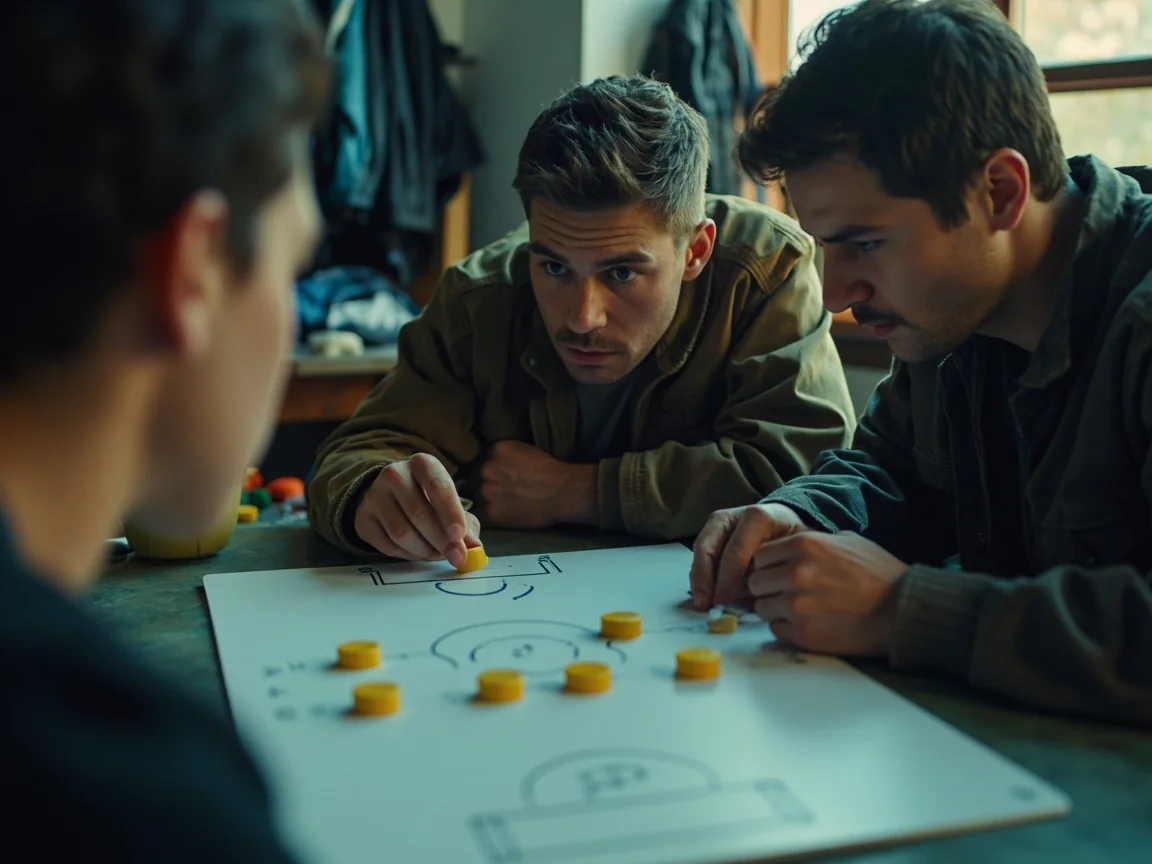
How we publish a captaincy call
Each captaincy note carries three boxes: the case for, the case against, and the confidence label. We update the call when team news lands, when the venue changes, or when the dew expectation shifts.
We also publish a “captain trap” call — the player who looks obvious but carries hidden risk. The trap call is the most useful thing the desk files all week.
See tonight’s captain picksWhat we publish, what we don’t, and why
Our fantasy desk publishes three things: a captain pick, a differential list, and a defender-bonus-trigger note. We do not publish a paid tipster service, a bookmaker-affiliated pick or a guaranteed-outcome claim.
Captain pick
The captain pick is the case worth arguing about. We publish the case for, the case against, the captain-trap call and the confidence label.
Differential list
Differentials are punts on rotation, not on form. We list the players whose role is most secure tonight despite a low ownership share.
Defender-bonus-trigger note
For fantasy football, the defensive-actions bonus is often more valuable than the clean-sheet bonus. We map the fixtures where the trigger is most likely.
When the desk publishes
Morning squad-watch
The morning squad-watch note summarises the team news across all five sports and flags the players whose role has changed.
Captain pick
The captain pick is filed in the early afternoon. It carries the supporting case, the counter-case and the captain-trap call.
Differential list
The differential list is filed in the late afternoon. The list is short — three names max — and each carries the rotation case.
Late-update note
If the team news shifts in the late window, we publish a dated update note and revise the captain pick if the picture has moved.
Five anchors, in priority order
Every selection case on the fantasy desk sits on the same five anchors. The order of priority changes by sport and by game format, but the anchors themselves are consistent.
Role
The player’s role in the side is the most stable variable. A player with a stable role is a safer selection than a player with a hot recent form but a fragile role.
Recent usage
How many minutes or overs in the last three fixtures? Is the role expanding or shrinking? Rotation risk is the second most important variable.
Opposition
The match-up cards. A defender facing a side that concedes from rest-defence phases is more valuable than a defender facing a side that doesn’t.
Venue
Pitch type, boundary length, conditions. A venue can flip a player’s expected output by 30% in T20 cricket and 15% in Test cricket.
Availability
Late team news, workload management, the risk of a rest. The availability check is the final filter and the most common reason a call is updated.
How we publish a captain pick
The case for
Two or three sentences on why the captain pick holds. The case for is built on role, recent usage, opposition, venue and availability.
The case against
Two or three sentences on why the captain pick might be wrong. The case against is the part most predictions skip. We don’t.
The captain trap
The captain-trap call is the most useful single thing the desk files. The trap is the player who looks obvious but carries hidden risk — rotation, form decay or venue mismatch.
The editorial standards we work to
Every page on comesportsnow sits on the same five editorial principles: sourced claims, named by-lines, visible timestamps, dated corrections and disclosed conflicts. The five principles are not aspirational; they are the gate every page passes through before it goes live.
Sourced claims
Every claim that can be checked against a named source is checked. If we cannot source a claim, we do not publish it.
Named by-lines
Every by-line belongs to the reporter who filed the copy. We do not run anonymous syndication or AI-only by-lines.
Visible timestamps
Every article shows when it was filed and when it was last verified. Updates carry their own timestamps.
Dated corrections
Corrections are published within 24 hours of confirmation and recorded on the corrections log.
Disclosed conflicts
Reporters disclose any personal connection to a team, competition or story. The disclosure appears at the bottom of the article when it applies.
Coverage built for readers who follow for the love of the game
Most of our readers follow the game because they care about the shape of the side, the form of the player, the captaincy call that swung a match. They do not place a wager, and they do not need a betting angle to justify their interest.
Our coverage is built for them. The desk treats live scores as the starting point, not the headline. The desk publishes the supporting and counter evidence alongside every prediction. The desk does not run odds widgets, does not take bookmaker partnerships and does not run a paid tipster subscription.
If you follow sport for the love of the game, our coverage is built for you.

One short email when a match turns
The alerts desk sends up to three emails per match you follow: kick-off, in-game change of state and full-time summary. No filler, no sponsored content, unsubscribe in one click.
Subscribe to match alerts
Pick the sports and competitions you follow. We don’t share or sell the address.
Why the captain-trap call is the most useful thing the desk files
What the trap looks like
The captain-trap is the player who looks obvious — the top scorer, the in-form batter, the striker with the easiest fixture — but carries hidden risk.
Why the trap works
The trap works because ownership is concentrated. When 60% of fantasy teams pick the same captain, the differential value of picking against the field is high.
How to read the trap
The trap call is published alongside the captain pick and the differential list. The three pieces together are the desk’s complete selection case.
How we cover the different formats
Fantasy cricket
T20 and ODI fantasy selection with role-first analysis. Captain picks, differential lists and defender-bonus-trigger equivalents.
Fantasy football
Premier League and ISL fantasy selection with press-shape and clean-sheet analysis. Captain picks, differential lists and defender-bonus-trigger notes.
Multi-sport fantasy
Kabaddi, basketball and tennis fantasy where applicable. Our coverage scales to the depth of the available selection data.