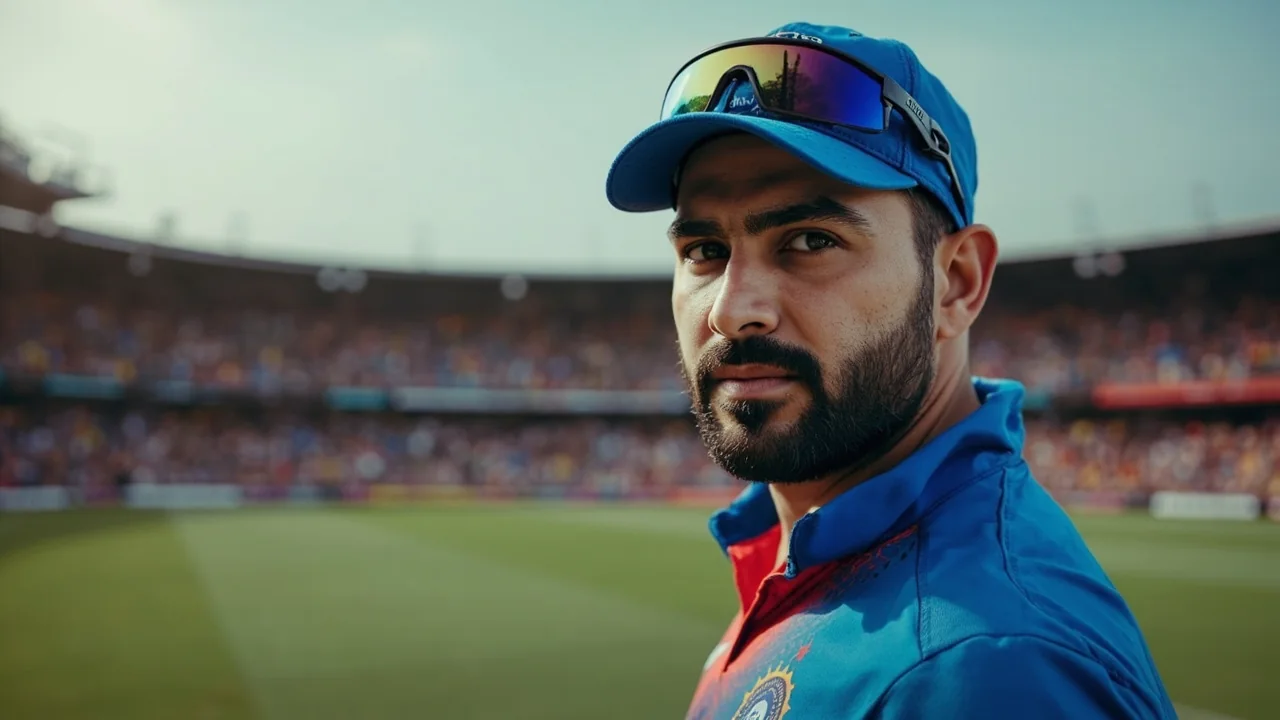
What Saikia said, and what the wording leaves room for
Devajit Saikia's line to PTI on July 17, 2026 was direct. There had been no discussion, the secretary said, about Rohit Sharma playing his last India match at Lord's on July 19. Sharma, Saikia added, remained a regular member of the Indian team and would continue to represent India "while he remained in its plans."
That second clause is the one worth slowing down on. The BCCI did not say Sharma was undroppable. The board said he was in the plans, full stop. The plans are set by the selection committee led by Ajit Agarkar, not by the secretary's office, and the plans move with form, opposition and the road to the next ICC event. The denial was emphatic; the scope was deliberately tight.
It also lands against a series that has already turned. India lost the first ODI after Sharma managed 11, lost the second at Cardiff after he made 26 from 47 balls with one six before Will Jacks found a fuller length and pinned him in front. The framing of Lord's as a farewell was built on those two dismissals. Saikia's intervention closes that framing down, at least until the third ODI has been played.
How the rumour got legs in the first place
The chatter did not arrive from nowhere. Three currents fed it.
First, Sharma's workload through the winter was openly managed. He sat out two of the bilateral one-dayers against Associate sides last autumn, was rotated out of the Sri Lanka tour of India and played only two of the six ODIs in the home series against England the previous year. The board does not usually strip a senior player back this visibly unless it is mapping a post-him template.
Second, the queue has names and innings behind it. Yashasvi Jaiswal opened the first ODI of this tour and top-scored on debut. Ruturaj Gaikwad came in at number three in Cardiff and saw off the new ball. Abhishek Sharma has played the finisher role in the T20I side through the year. None of them has Sharma's international ceiling on his day. All three are now demonstrably able to do the job the team has been preparing them for.
Third, the captaincy conversation moved a year ago. Shubman Gill took over the ODI leadership in the summer of 2025, and the T20I captaincy sits with Suryakumar Yadav. With two white-ball skippers already in post, the chatter naturally drifted to the third: when, not whether, Sharma's ODI captaincy era ends. The Lord's framing was a way of giving that conversation a date.
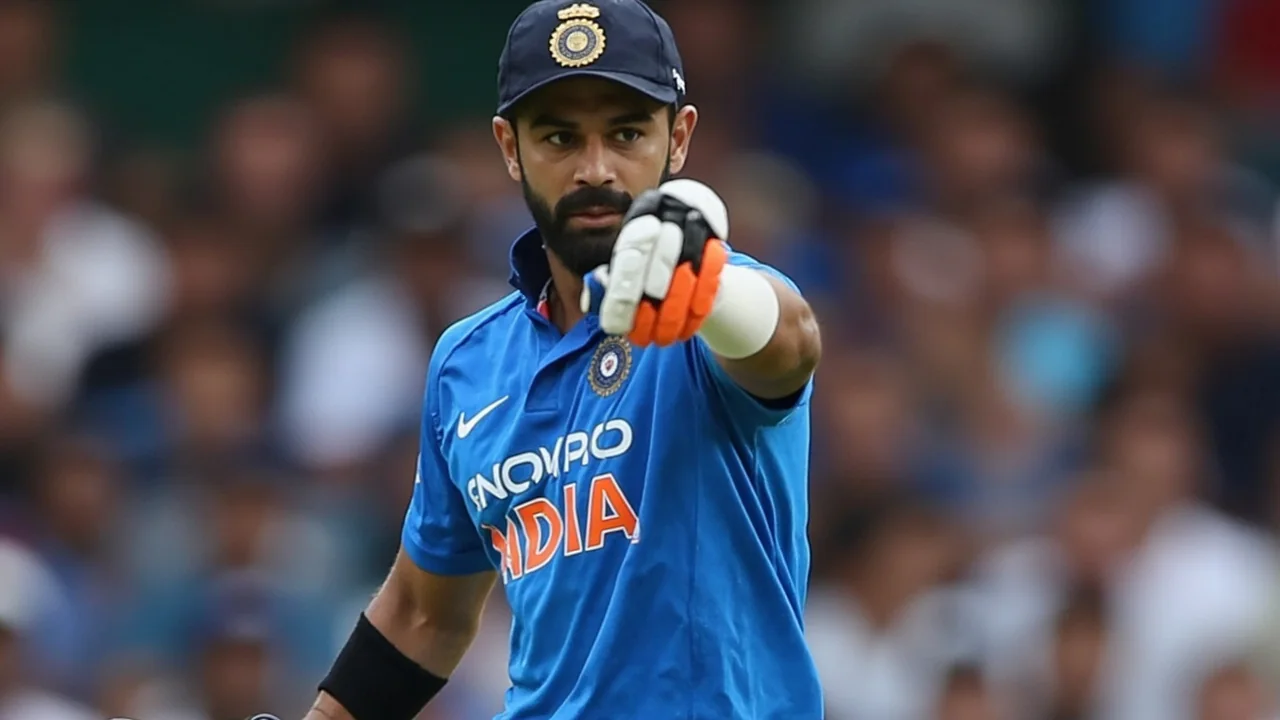
Reading the dismissal on the field
The 26 at Cardiff was Sharma's shortest ODI innings against England since 2018. It looked, on the broadcast, like the innings of a player working out a new batting order around him rather than the innings of a player set in stone. Jaiswal took the new ball with him, the middle order was rebuilt around Gill at three, and the powerplay role Sharma has owned for a decade was being shared for the first time in this format.
Jacks's dismissal was not a surrender. Sharma had charged down the track on 16 and missed a leg-side delivery; he had hit the only six of the innings over midwicket on 22; and the ball that got him was a touch fuller than the previous ones. The innings was a 47-ball reading exercise, not a collapse. The interpretation, however, was already built.
Saikia's denial is therefore not a refutation of the selection trend. It is a refutation of the timeline. The BCCI is saying: there is no internal plan for Lord's to be the last match, and there has been no conversation about that plan. The selection committee may still, separately, be planning the post-Sharma top order. The two positions sit comfortably together.
What the squad signal underneath the denial looks like
Look past the headline and three things in the denial do real work.
Saikia described Sharma as a regular member of the Indian team. Not a senior member, not a senior player being honoured, not a player whose ODI place is being phased down. A regular member. That language is the same language the board has used for players in their first or second year of senior cricket. It is deliberately horizontal.
The denial came from the BCCI secretary, not from the chairman of selectors. Agarkar has not addressed the framing in the same window. That is consistent with how the board has handled similar conversations in the past — a senior administrator closes the door; the selection committee keeps the key.
The denial was issued two days before the third ODI, with the squad already in London. It was not a generic pre-series line. It was a targeted reply to a specific set of reports, and it was filed in time for the pre-match press cycle in London. The timing is a squad signal: India do not want the third ODI played under the shadow of a farewell narrative.
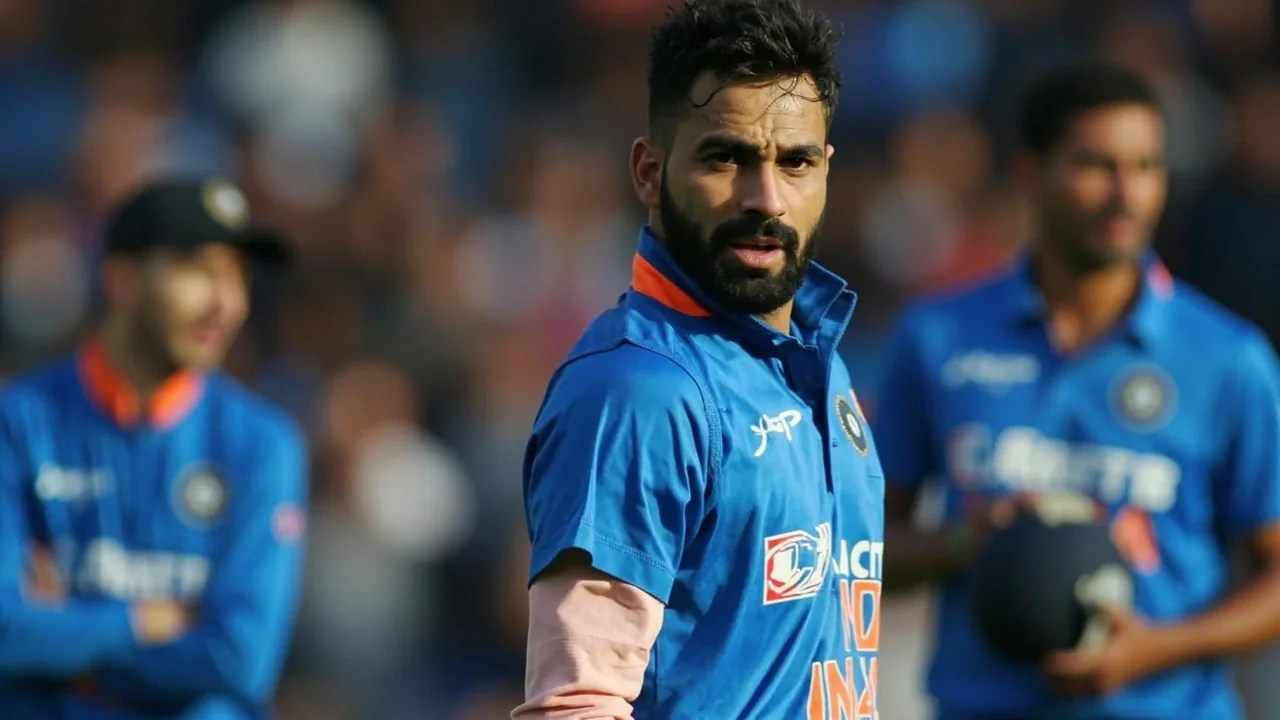
Where this leaves the ODI top order for the rest of the series
The cleanest read for the third ODI is that Sharma opens, Jaiswal opens with him, Gill bats at three and the middle order is the same four names that played Cardiff. The denial removes the rumour-cycle pressure on the eleven and lets the selection committee pick on form and match-up rather than on narrative.
If Sharma makes a score at Lord's, the rumour cycle stays dormant through the rest of the England tour and into the Asia Cup window. If he does not, the queue is no longer hypothetical — Jaiswal and Gaikwad have innings in this series already — and the conversation returns without needing a Saikia statement to relight it.
The selection committee will, in either case, be working to a longer timeline than this series. The 2027 World Cup cycle is the planning horizon. The ODI top three for that cycle is a working decision, not a settled one. Saikia's line does not change the timeline. It changes what gets discussed in public between now and the squad announcement for the next ODI block.
What to watch between the third ODI and the next squad
Two things the desk will be tracking.
First, the chairman of selectors' press note after the third ODI. If Agarkar's language matches Saikia's — "regular member," "in the plans," no mention of phasing or workload — the denial is the working line and the rumour cycle is closed for the cycle. If Agarkar introduces any new framing — workload, future planning, rotation — the conversation is still open underneath the surface.
Second, the squad for the Asia Cup window. The squad announcement is the cleanest evidence of how the board reads the post-Sharma top order. A squad that opens with Jaiswal and Sharma and bats Gill at three reads one way. A squad that opens with Jaiswal and Abhishek Sharma and moves Gill up the order reads another way. The denial does not pre-empt that call. It only stops anyone from announcing the call before the selectors have made it.
More from the comesportsnow cricket desk
For the wider picture across India's ODI set-up, selection calls and the road to the next ICC event, the desk's running coverage is filed in one place. The latest stories from across our cricket reporting sit in the latest sports news feed.
What readers are asking about the BCCI denial
What exactly did the BCCI say about Rohit Sharma and the Lord's ODI?
BCCI secretary Devajit Saikia told PTI on July 17, 2026 that there had been no discussion about the third ODI against England at Lord's on July 19 being Sharma's last India match. Saikia described Sharma as a regular member of the Indian team and said he would continue to represent India while he remained in the board's plans.
Does the denial mean Sharma's ODI place is safe for the rest of the series?
The denial rules out a farewell narrative at Lord's. It does not guarantee selection beyond the third ODI. The selection committee chaired by Ajit Agarkar picks the squad on form, workload and the road to the 2027 cycle, and Saikia's language keeps that authority with the selectors.
Where did the retirement talk come from in the first place?
Three currents fed it: the workload management of the last twelve months, a queue of openers and number threes with innings behind them in this format, and the fact that the ODI captaincy moved to Shubman Gill in the summer of 2025. The Cardiff dismissal of Sharma for 26 by Will Jacks added the latest piece of evidence.
Who is the ODI captain now?
Shubman Gill took over the ODI captaincy the previous year. The T20I captaincy sits with Suryakumar Yadav. The ODI leadership conversation is therefore a workload and succession conversation, not an open captaincy call.
What happens if Sharma scores at Lord's?
A score at Lord's puts the rumour cycle to bed for the rest of the England tour and into the Asia Cup window. A failure returns the queue — Jaiswal, Gaikwad, Abhishek Sharma — to the front of the conversation without requiring a further BCCI statement.
Where can I follow the third ODI live?
The comesportsnow live desk follows the third ODI with verified scores, last-update timestamps and the match commentary thread. The desk's coverage threads are linked from the live desk.
The editorial standards we work to
Every page on comesportsnow sits on the same five editorial principles: sourced claims, named by-lines, visible timestamps, dated corrections and disclosed conflicts. The five principles are not aspirational; they are the gate every page passes through before it goes live.
Sourced claims
Every claim that can be checked against a named source is checked. If we cannot source a claim, we do not publish it.
Named by-lines
Every by-line belongs to the reporter who filed the copy. We do not run anonymous syndication or AI-only by-lines.
Visible timestamps
Every article shows when it was filed and when it was last verified. Updates carry their own timestamps.
Dated corrections
Corrections are published within 24 hours of confirmation and recorded on the corrections log.
Disclosed conflicts
Reporters disclose any personal connection to a team, competition or story. The disclosure appears at the bottom of the article when it applies.
Coverage built for readers who follow for the love of the game
Most of our readers follow the game because they care about the shape of the side, the form of the player, the captaincy call that swung a match. They do not place a wager, and they do not need a betting angle to justify their interest.
Our coverage is built for them. The desk treats live scores as the starting point, not the headline. The desk publishes the supporting and counter evidence alongside every prediction. The desk does not run odds widgets, does not take bookmaker partnerships and does not run a paid tipster subscription.
If you follow sport for the love of the game, our coverage is built for you.
One short email when a match turns
The alerts desk sends up to three emails per match you follow: toss, in-game change of state and full-time summary. No filler, no sponsored content, unsubscribe in one click.
Subscribe to match alerts
Pick the sports and competitions you follow. We don’t share or sell the address.